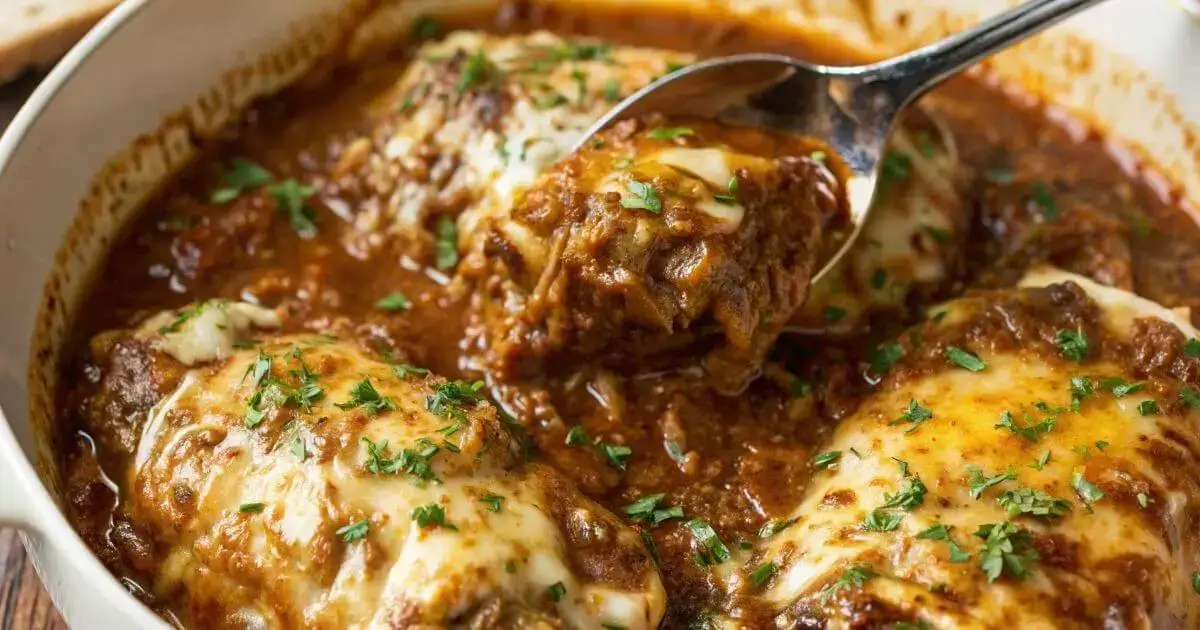
Ultimate French Onion Chicken: Weeknight Comfort & Flavor Swaps
Imagine the deep, savory comfort of a classic French Onion Soup, but transformed into a hearty, irresistible weeknight dinner. That's the magic of **French Onion Chicken**. This dish takes all the beloved elements – the rich, sweet caramelized onions, a savory broth, and a blanket of bubbly, melted cheese – and combines them with tender, juicy chicken for a meal that feels effortlessly elegant yet incredibly comforting. It’s the perfect answer when you crave something substantial and packed with flavor, without spending hours in the kitchen. Whether you're a seasoned chef or a home cook looking for a new family favorite, this adaptable recipe delivers restaurant-quality taste in a fraction of the time, complete with delicious flavor swaps to suit any palate.
The Magic Behind French Onion Chicken: Flavor & Texture Explained
The success of a truly great French Onion Chicken lies in understanding the interplay of its core components. Each ingredient plays a vital role in building the layers of flavor and texture that make this dish so captivating.
The Art of Caramelized Onions
At the heart of any French onion dish are the onions – specifically, *caramelized* onions. This isn't just cooking onions until soft; it's a patient process of slowly browning them until their natural sugars intensify, transforming their sharp bite into a deep, jammy sweetness. This rich, golden-brown foundation is what gives the sauce its signature depth and almost umami-like quality. Using yellow or sweet onions works best for caramelization, as they contain higher sugar levels. The key is low heat and patience; rushing this step will leave you with merely sautéed onions, missing the profound sweetness and complex flavor profile that truly defines French onion dishes. Don't be afraid to take your time here – it's the most crucial step for maximum flavor impact.
Juicy Chicken, Every Time
For the chicken component, boneless, skinless chicken breasts are a popular choice due to their quick cooking time and lean profile. However, boneless, skinless chicken thighs are an excellent alternative, offering a richer flavor and a more forgiving texture, making them harder to overcook. Regardless of your cut, searing the chicken is paramount. A quick sear in a hot skillet creates a delicious golden-brown crust, locking in moisture and adding another layer of savory flavor. The secret to consistently juicy chicken is to *not overcook it*. An instant-read meat thermometer is your best friend here, ensuring your chicken reaches a safe internal temperature (165°F for poultry) without becoming dry and tough.
The Broth & Cheese Layer
The final layers bring everything together. A good quality beef broth forms the savory liquid base, often enhanced with a splash of dry red wine like Pinot Noir. The wine adds a subtle acidity and complexity that deepens the broth's flavor, though it can easily be substituted with additional broth for an alcohol-free version. And then there's the cheese – the iconic, gooey topping that signals ultimate comfort. Gruyère is the traditional choice, celebrated for its distinct nutty flavor and excellent melting properties. Its robust taste perfectly complements the sweet onions and savory broth. However, for those who prefer milder flavors or different textures, provolone or mozzarella offer fantastic, melt-in-your-mouth alternatives, each adding its own unique character to the dish.
Crafting Your Ultimate French Onion Chicken: Step-by-Step Excellence
Creating this comforting dish is simpler than you might think, especially when you break it down into a few manageable steps, primarily using just one skillet.
Searing the Chicken
Begin by preparing your chicken. Patting the boneless, skinless chicken breasts or thighs dry is crucial for achieving a proper sear. Season them generously with salt and black pepper. Heat a little oil or butter in a sturdy oven-proof skillet over medium-high heat. Once hot, add the chicken, ensuring not to crowd the pan. Sear for 3-5 minutes per side, or until beautifully golden brown. The goal isn't to cook the chicken through at this stage, but to develop that flavorful crust. Once seared, remove the chicken from the skillet and set it aside on a plate – it will finish cooking later.
Building the Flavor Foundation
With the chicken out, the skillet now holds delicious "fond" – the browned bits stuck to the bottom, packed with flavor. This is where the magic of the onions begins. Add a knob of butter to the skillet, then pile in your thinly sliced onions. Reduce the heat to medium-low and cook, stirring occasionally, until the onions are deeply caramelized and jammy. This can take anywhere from 20-40 minutes, depending on the heat and quantity. Once the onions have reached their sweet, golden peak, you can deglaze the pan with a splash of dry red wine (if using) or a bit of beef broth, scraping up all those flavorful bits. Then, pour in the remaining beef broth and let it simmer for a few minutes to slightly reduce and marry with the onion flavors.
The Grand Finale: Broiling to Perfection
Now, it’s time to bring it all together. Nest the seared chicken back into the skillet, ensuring it's nestled among the rich caramelized onions and savory broth. For an extra layer of texture and authentic French onion soup feel, you can tuck a few crispy croutons around and over the chicken at this stage, before the cheese. Then, generously drape slices or shredded Gruyère cheese over each chicken breast and the onions. Sprinkle with a little fresh thyme, if desired, for an aromatic finish. Carefully transfer the oven-proof skillet to a preheated broiler. Keep a close eye on it – broilers are powerful! Broil for 3-5 minutes, or until the cheese is melted, bubbly, and beautifully golden brown. The chicken will finish cooking through during this time, ensuring it remains tender and juicy.
For those eager to master this skillet-centric technique, a deeper dive into methods can be found in our guide:
Skillet French Onion Chicken: Easy Elegance in 30 Minutes.
Flavor Swaps & Culinary Adventures
One of the greatest joys of French Onion Chicken is its adaptability. While the classic rendition is superb, there are numerous ways to personalize it and explore new flavor profiles.
Chicken Variations
As mentioned,
boneless, skinless chicken thighs are a fantastic alternative to breasts, offering a richer flavor and a more succulent texture that stands up beautifully to the robust sauce. If you're a fan of a similar flavor profile but prefer red meat, consider adapting this recipe for pork chops, as the caramelized onion and cheesy topping works just as wonderfully with pork.
Cheese Alternatives
While Gruyère is the undisputed star, don't hesitate to experiment with other cheeses.
Provolone or
mozzarella offer a milder, stretchier melt, perfect for those who prefer less assertive flavors. For a sharper, tangier note, try adding a little grated Parmesan or Pecorino Romano into the mix. Other great options include nutty Fontina, classic Swiss, or even a blend of your favorite melty cheeses to create a bespoke cheesy blanket. Each cheese will subtly alter the dish's overall character, inviting you to discover your perfect match.
Broth & Wine Choices
The beef broth provides a crucial savory backbone. For an alcohol-free version, simply use extra beef broth in place of red wine. If you're looking to add depth without alcohol, a small splash of balsamic vinegar can mimic some of the wine's acidity and richness. For a lighter dish, you could even experiment with chicken or vegetable broth, though be aware it will yield a less intensely savory flavor than beef broth.
Unexpected Textures & Aromatics
For a delightful textural contrast, incorporating
croutons is a game-changer. Tucking them under the cheese before broiling allows them to absorb some of the savory broth while still retaining a satisfying crispness. This addition is a nod to the traditional French Onion Soup experience and elevates the dish significantly, providing a wonderful "surprise moment" with every bite. Fresh thyme is a natural partner, lending a bright, herbaceous note that cuts through the richness, but other herbs like bay leaf (simmered in the broth) or a touch of rosemary can also add intriguing aromatic layers. A tiny pinch of freshly grated nutmeg, a secret ingredient in many béchamel sauces, can also enhance the savory depth of the sauce.
For a deeper dive into the art of adding texture and flavor with elements like crispy croutons, check out our companion article:
Caramelized Perfection: French Onion Chicken with Crispy Croutons.
Serving Suggestions for a Complete Meal
French Onion Chicken is inherently rich and satisfying, often requiring little else to make it a complete meal. However, a thoughtful side dish can perfectly complement its robust flavors and textures.
Classic Pairings
For soaking up every last drop of the luscious sauce,
creamy mashed potatoes are an absolute dream. Their smooth texture and ability to absorb the rich liquid make them an ideal partner. A crusty baguette or artisanal bread is also a fantastic choice, allowing you to sop up the savory broth and cheesy goodness directly from the skillet. Another creative pairing, mentioned in culinary circles, is a "French onion rice," which features rice cooked in a similar savory broth.
Balancing Richness
Given the richness of the chicken, a simple, fresh side can provide a welcome contrast. A crisp green salad dressed with a light vinaigrette offers acidity and freshness that cuts through the creamy, cheesy elements. Roasted vegetables such as broccoli, green beans, or asparagus provide earthy flavors and a slight crunch, balancing the dish without overwhelming it. For a different carb option, steamed rice or fluffy quinoa can also make a good base for the saucy chicken.
Drinks
To complete the dining experience, consider pairing your French Onion Chicken with a dry red wine, perhaps the same Pinot Noir used in the recipe, or a robust Merlot. For white wine enthusiasts, a crisp Chardonnay or Sauvignon Blanc can also be a delightful match. A dry hard cider offers a refreshing, slightly tangy alternative that complements the savory and sweet notes of the dish.
Conclusion
Ultimate French Onion Chicken truly lives up to its name, delivering a sublime balance of comfort, flavor, and elegance that's perfectly suited for any weeknight. With its tender chicken, deeply caramelized onions, rich broth, and glorious blanket of melted cheese, it transforms simple ingredients into an unforgettable culinary experience. The beauty of this dish lies not only in its incredible taste but also in its versatility. By exploring different chicken cuts, cheese options, or adding thoughtful textures like crispy croutons, you can tailor it to your exact preferences. So, gather your ingredients, embrace the comforting aroma of slowly caramelizing onions, and prepare to elevate your weeknight dinner routine with this sensational **French Onion Chicken**. It’s more than just a meal; it’s an invitation to savor simple pleasures and create new family favorites.